
Customizing Drinkware: Capabilities and Limitations of Lids, Straws, and Insulation Technology
In the competitive landscape of beverage branding and consumer products, customizing drinkware—from reusable tumblers to insulated bottles—has become a strategic tool for businesses. Features like lids, straws, and insulation technology not only enhance user experience but also serve as branding opportunities. However, customization comes with its own set of possibilities and challenges. Let’s explore the capabilities and limitations of tailoring these key drinkware components.
1. Customizing Lids: Design, Function, and Constraints
Capabilities
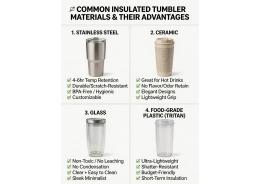
- Material Versatility: Lids can be crafted from food - grade plastics (PP, Tritan), silicone (for seals), stainless steel (for durability), or bamboo (for eco - friendly appeal). Each material offers unique benefits—silicone for flexibility (e.g., leak - proof seals), stainless steel for ruggedness, and bamboo for sustainability.
- Functional Design: Brands can customize lids for specific use cases: flip - tops for quick sipping, screw - on lids for leak resistance, or straw - compatible lids with splash guards. Ergonomic tweaks (e.g., easy - grip knobs, one - handed operation) are also feasible.
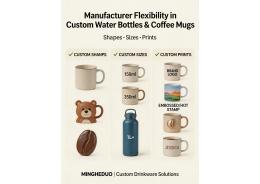
- Branding Integration: Lids can feature embossed logos, custom colors, or textured patterns to reinforce brand identity. For example, a coffee brand might add a heat - resistant logo on a travel mug lid.
Limitations
- Seal Integrity: Achieving a perfect, leak - proof seal with custom lids (especially for complex designs) requires precise engineering. Poorly designed seals can lead to spills, reducing user satisfaction.
- Cost Scalability: Intricate lid designs (e.g., multi - part mechanisms, premium materials) increase production costs, especially for small batch orders. Tooling fees for custom molds can also be prohibitive for startups.
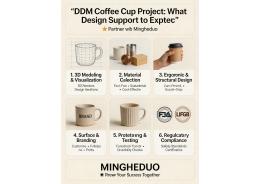
- Regulatory Compliance: Food - contact materials (like lids) must meet safety standards (e.g., FDA, EU food safety). Custom colors or coatings may require additional testing to ensure they’re non - toxic and heat - resistant.
2. Customizing Straws: Sustainability, Design, and Challenges
Capabilities
- Eco - Friendly Materials: Custom straws can be made from stainless steel, glass, silicone, or plant - based plastics (e.g., PLA), catering to sustainability - focused brands. Reusable straws can be branded with laser - etched logos or colored accents.
- Ergonomic & Aesthetic Design: Straws can be customized for length, diameter (to fit thick smoothies or hot coffee), bend angle, or even shape (e.g., curved for kids’ cups). Textured surfaces or patterned exteriors add visual appeal.
- Hygiene - Centric Features: Brands can integrate cleaning - friendly designs, like detachable straws or wide diameters for easy brushing, addressing consumer concerns about reusable straw hygiene.
Limitations
- Production Precision: Thin - walled straws (especially glass or stainless steel) require high - precision manufacturing to avoid sharp edges or uneven diameters, increasing production complexity.
- Material Durability: While eco - friendly materials like bamboo or PLA are popular, they may be less durable than stainless steel. Bamboo straws can warp with heat, and PLA straws may degrade with repeated use.
- Compatibility Issues: Custom straws must fit seamlessly with lids—misaligned diameters or lengths can render them unusable. Ensuring compatibility across drinkware lines adds design complexity.
3. Customizing Insulation Technology: Performance, Innovation, and Trade - Offs
Capabilities
- Thermal Efficiency: Brands can customize insulation layers (e.g., double - wall vacuum insulation, copper plating) to extend temperature retention (hot or cold) for hours. For example, a camping brand might prioritize extreme cold retention for iced drinks.
- Material Innovation: Insulation can incorporate advanced materials like ceramic coatings (for heat retention) or aerogel (ultra - lightweight insulation). These technologies can be tailored to specific use cases (e.g., medical - grade insulation for temperature - sensitive products).
- Design Flexibility: Insulated drinkware can be customized for shape (e.g., slim tumblers for commuting, wide - mouth bottles for outdoor use) while maintaining thermal performance. Brands can balance aesthetics (e.g., sleek profiles) with functionality.
Limitations
- Cost & Complexity: Vacuum insulation, in particular, requires specialized manufacturing (e.g., vacuum - sealed chambers), driving up production costs. Smaller brands may struggle to afford these technologies at scale.
- Size & Weight Constraints: Effective insulation often adds bulk or weight. Designing a slim, lightweight insulated bottle without compromising performance is challenging—consumers may prioritize portability over extreme insulation.
- Material Limitations: Some insulation materials (e.g., certain foams) may not be food - safe or eco - friendly, limiting their use. Balancing performance, safety, and sustainability is a constant trade - off.
4. Overarching Limitations of Drinkware Customization
Beyond component - specific challenges, several broader limitations impact drinkware customization:
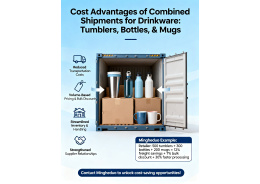
- Minimum Order Quantities (MOQs): Manufacturers often require high MOQs for custom molds or materials, making small - batch customization costly or impossible for startups.
- Lead Times: Custom tooling, material sourcing, and testing can extend production timelines (e.g., 12–16 weeks for vacuum - insulated bottles), delaying market launches.
- Regulatory Hurdles: All drinkware components must comply with global safety standards (e.g., BPA - free, food - grade certification). Custom designs may require additional testing, adding time and cost.
- Cost - Benefit Balance: Premium customization (e.g., luxury materials, complex mechanisms) may price products out of target markets, requiring brands to balance innovation with affordability.
Conclusion: Navigating Customization for Drinkware Success
Customizing drinkware features like lids, straws, and insulation offers brands a powerful way to differentiate, enhance user experience, and align with sustainability goals. However, success requires balancing capabilities (material innovation, design flexibility) with limitations (cost, production complexity, regulations). By partnering with experienced manufacturers (like Mingheduo, with expertise in drinkware customization), brands can leverage tailored solutions while mitigating risks—turning challenges into opportunities for innovation and market leadership.

 English
 German
 French
 Russian
 Spanish
 Japanese
 Korean
 Portuguese
 Ukrainian
 Arabic
 Italian


