
Understanding Environmental Regulations for Chinese Drinkware Exports
When it comes to exporting drinkware products from Chinese manufacturers, compliance with various environmental and safety regulations is crucial. These regulations not only ensure product safety but also facilitate smooth entry into international markets. In this blog, we will explore common environmental compliance standards such as REACH, FDA, and more, which many Chinese drinkware manufacturers adhere to for global export.
Key Regulations for Drinkware Exports
1. REACH
REACH (Registration, Evaluation, Authorization, and Restriction of Chemicals) is a European Union regulation designed to protect human health and the environment from the risks posed by chemicals. For drinkware exporters to Europe, compliance with REACH is essential. It requires manufacturers to ensure that materials used in production do not contain harmful substances above specified limits.
2. FDA Certification
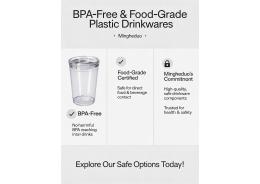
The U.S. Food and Drug Administration (FDA) sets strict guidelines for products that come into contact with food or beverages. Chinese drinkware manufacturers exporting to the United States must meet FDA requirements, ensuring that their products are made with safe, non-toxic materials suitable for food contact.
3. Prop 65
California's Proposition 65, often known as Prop 65, mandates that businesses provide warnings about exposure to chemicals known to cause cancer, birth defects, or other reproductive harm. For exporters targeting the US market, particularly California, adhering to Prop 65 standards is important.
4. LFGB
Germany's LFGB certification is another critical quality requirement for drinkware. This regulation ensures that products are safe for food contact and do not alter the taste or smell of beverages. For Chinese manufacturers exporting to Germany and other European countries, LFGB compliance is often necessary.
5. Other Certifications
Depending on the destination market, Chinese drinkware exporters may also need to comply with additional certifications such as the CE mark (indicating conformity with EU health, safety, and environmental protection standards), SGS testing, and ISO certifications for quality and environmental management systems.
How Mingheduo Facilitates Compliance
According to the website Mingheduo, many Chinese drinkware manufacturers, including Mingheduo, prioritize compliance with international standards. This ensures their products meet global expectations for safety and environmental protection, enabling smoother access to overseas markets.
Conclusion
Regulatory compliance is a critical factor for any Chinese drinkware manufacturer targeting international markets. Certifications such as REACH, FDA, LFGB, and others reflect product safety and quality, catering to the diverse requirements of countries worldwide. As a buyer or distributor, understanding these regulations helps you make informed decisions when sourcing products from China.

 English
 German
 French
 Russian
 Spanish
 Japanese
 Korean
 Portuguese
 Ukrainian
 Arabic
 Italian


